 CH
CH PL
PL
Myth 1: “Nearshoring is simply cheaper."
Price is a side effect, not the point. The real reason for nearshoring is access: to specialists who simply aren't available in sufficient numbers in the local DACH market. If you're after a rare combination of tech stack and industry experience, you'll often find it faster in the wider European talent pool than in your own region. Quality doesn't come from location – it comes from clean vetting: structured technical assessment, references, trial work.
Myth 2: “Time zones and communication become a nightmare."
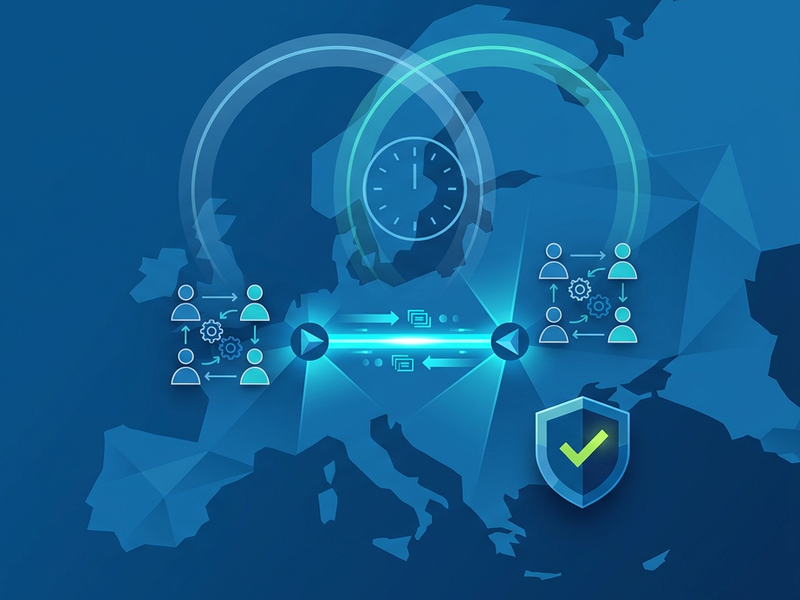
This is exactly where nearshoring differs from offshoring. “Near” means close—in space and time. Within Europe, time zones are usually no more than one to two hours apart, and the working day overlaps almost fully. Daily stand-ups, shared sprints, and quick questions work just like with a local team. German- and English-speaking specialists are the standard, not the exception. The much-cited communication problem is, in practice, mainly an offshore problem—not a nearshoring one.
Myth 3: “It's a legal and data protection risk."
A fair concern—and precisely why the setup decides everything. With clear contracts, defined responsibilities, and GDPR- and DACH-compliant data processing, nearshoring within the EU is cleanly manageable. For companies that especially value data sovereignty, you can additionally define where data sits and is processed. Risk doesn't come from nearshoring as such, but from a poor setup. A good setup makes the difference.
What it's really about.
Nearshoring isn't a cost-cutting program; it's an availability lever. It closes gaps the local market can't close in a reasonable time – without compromising on quality, communication, or compliance, if it's set up right. For DACH companies that need to staff IT teams fast and clean, it's less an alternative than a complement to local recruiting.
→ Need IT capacity the local market can't provide? Send your project request—we staff cleanly and fast.